The Differences Between Male and Female Dogs
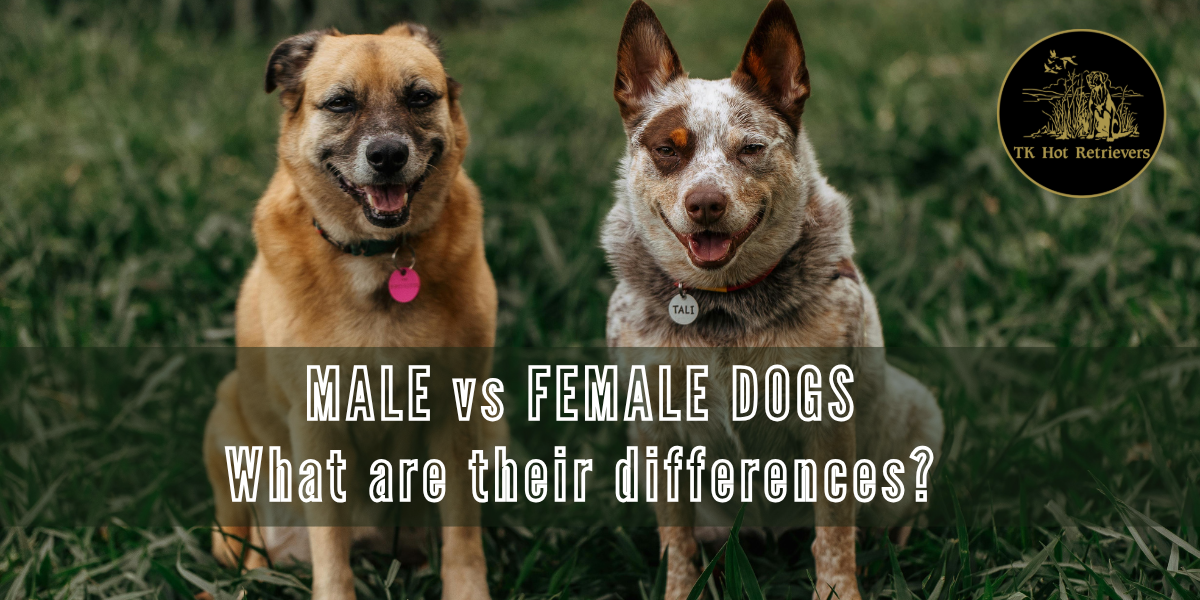
Besides the obvious biological differences, we humans know how different guys and girls can be from each other. But what about dogs? It’s not easy to pick up on a dog’s gender right away, so besides the basic anatomy difference, what differences do they actually have? Let’s dive in.
Hormonal Behavior
When it comes to hormones, we see the biggest difference in behavior between male and female dogs.
Intact male dogs are more likely to:
- Mark territory by lifting their leg on a vertical surface
- Roam in search of females in heat
- Show competitive behavior toward other intact males
Female dogs:
- Typically squat to urinate
- Experience heat cycles, usually twice a year if not spayed
- May show temporary mood or behavior shifts during their cycle
According to training experts, many behaviors people attribute to personality differences are actually influenced by reproductive hormones. Spaying or neutering can reduce behaviors like roaming and excessive marking, but it does not completely change a dog’s core temperament.
Social and Emotional Tendencies
Male dogs are often described as playful and goofy, sometimes, well into adulthood. They are usually more eager for attention and overtly affectionate with their humans. Female dogs may be slightly more independent, but they form deep emotional bonds more quickly with their family. Females also tend to mature faster, both physically and mentally. That earlier maturity can sometimes make them seem calmer at a younger age, while males may hold onto their puppy-like energy a bit longer.
However, these are tendencies, not guarantees. A confident female may be more rambunctious than a reserved male. Personality always comes first!
Trainability
A common question is whether male or female dogs are easier to train.
Due to females being able to mature at a faster rate, it allows them to be easier to train. They develop impulse control sooner, focus better, and respond more consistently to routine. Male dogs, however, are equally capable learners, but they thrive more on reward-based training. They show strong motivation for food or play rewards and maintain enthusiasm during high-energy training sessions. They tend to lose focus quickly, though, and it takes longer for their discipline to settle in.
But they also have similarities! Both males and females respond best to:
- Positive reinforcement
- Consistency
- Early socialization
- Clear communication
In the long run, breed traits, early experiences, and your training style will have a much greater impact on success than gender alone.
Health
Health differences are one of the most important things to pay attention to.
For female dogs, spaying is a very important tool to reduce health risks. It eliminates the risk of uterine infections such as pyometra and significantly reduces the risk of reproductive cancers. For male dogs, neutering eliminates the risk of testicular cancer and can reduce the likelihood of prostate-related conditions.
Hormones also influence metabolism, growth, and joint development, so decisions about spaying or neutering should always be made in consultation with a veterinarian, especially considering breed and size. Health considerations are often one of the most concrete differences between male and female dogs, since they involve sex-specific anatomy.
Overall
While biological differences between male and female dogs certainly exist, an often-overlooked factor is us. Humans naturally project gender stereotypes onto animals. We may assume male dogs are dominant, bold, or mischievous because we associate those traits with boys. We may describe female dogs as nurturing, calm, or moody because those traits align with human ideas about girls. These assumptions can subtly shape how we interpret behavior.
For example, we may see a high-energy male might be labeled spirited or fun-loving, but a high-energy female might be described as bossy.
The behavior itself may be identical, but our interpretation changes based on expectations. We should realize that dogs are individuals first. Their behavior is influenced more by genetics, socialization, environment, and training than by sex alone. When we approach dogs without rigid gender expectations, we are better able to see who they truly are.
Ultimately, choosing between a male and female dog should not be about stereotypes. It should be about compatibility, temperament, and connection. Spend time observing the dog in front of you rather than the label attached to them. Because at the end of the day, what defines your relationship is not whether your dog is male or female. It is the bond you build, the trust you earn, and the life you create together.